
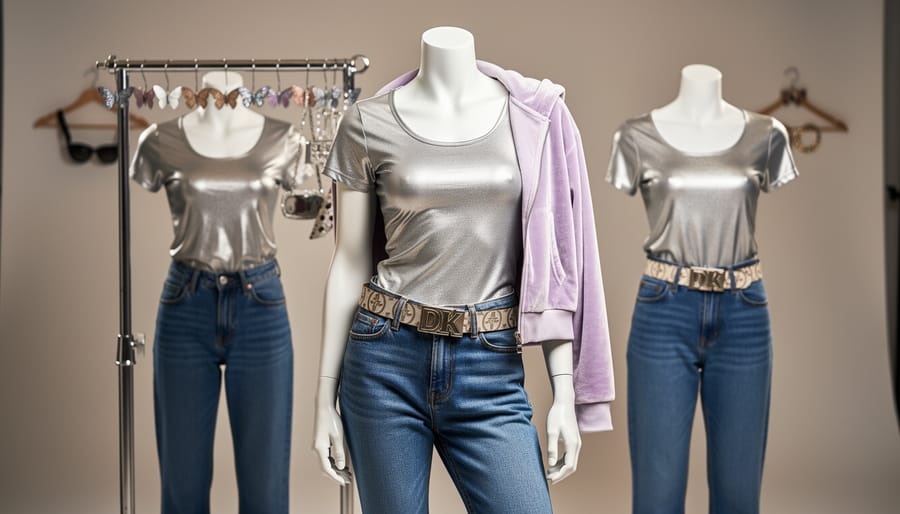
2000’s fashion trends encompass the distinctive aesthetic that defined the early millennium, characterized by low-rise jeans, velour tracksuits, baby tees, butterfly clips, and a maximalist approach to accessories and embellishment. This era blended pop culture influence, digital-age optimism, and a fearless attitude toward mixing high and low fashion in ways that broke previous decades’ rules.
The Y2K aesthetic matters now because it’s experiencing a full-scale revival among Gen Z and millennial fashion enthusiasts in 2026, fueled by social media nostalgia and a rejection of minimalist trends. What started as ironic appreciation has evolved into genuine style adoption, with luxury brands reinterpreting cargo pants and visible logos while vintage resale markets see unprecedented demand for authentic pieces from the era.
Understanding 2000’s fashion means recognizing its cultural context. The decade bridged analog and digital life, reflected in technology-inspired metallics, futuristic silhouettes, and the rise of celebrity-driven fast fashion. Pop stars like Britney Spears, Destiny’s Child, and Christina Aguilera became style architects, while shows like The Simple Life and Laguna Beach broadcast aspirational California casual aesthetics into living rooms worldwide. Hip-hop culture heavily influenced mainstream fashion, bringing oversized jerseys, Timberlands, and logomania into suburban shopping malls.
This guide breaks down the signature components of 2000’s style, explains how these trends function in contemporary wardrobes, and provides practical approaches to wearing them without looking like you’re headed to a costume party.
What 2000’s Fashion Really Means
At its core, 2000’s fashion captures a specific moment when technology optimism met celebrity-driven culture. The early 2000s marked a period of digital hope, the internet was expanding, cell phones were getting smaller and sleeker, and the future felt bright and shiny. This cultural mood translated directly into clothing choices that embraced metallics, futuristic silhouettes, and an anything-goes approach to mixing casual and dressy pieces.
The aesthetic emerged from a perfect storm of pop culture influences. Music videos from artists like Britney Spears, Christina Aguilera, and Destiny’s Child became fashion blueprints, while red carpet moments showcased coordinated velour tracksuits and ultra-low-rise jeans as legitimate style statements. Celebrities didn’t just wear these trends occasionally, they lived in them, photographed constantly by paparazzi and featured in weekly tabloids that millions of readers studied religiously.
- Y2K
- Short for “Year 2000,” referring to both the technological milestone and the optimistic, futuristic aesthetic that defined fashion from roughly 1999 to 2004.
- Low-rise
- Jeans or pants that sit several inches below the natural waist, typically at hip level, creating a longer torso line that dominated the decade.
- Butterfly clips
- Small, colorful hair accessories shaped like butterflies that were clipped throughout the hair, often in multiples, as a playful styling staple.
- Velour tracksuits
- Matching zip-up jacket and pant sets made from soft, plush velour fabric, popularized by brands like Juicy Couture and worn as everyday luxury casual wear.
What made 2000’s fashion distinctive was its rejection of minimalism in favor of maximum self-expression. The era embraced embellishment, color, and visible branding in ways that feel refreshingly bold today. Tiny sunglasses, chunky platform shoes, and pastel accessories weren’t occasional statement pieces, they were everyday essentials that reflected a cultural moment when being subtle wasn’t the goal.
The Signature Styles That Defined the Era
The Denim Revolution
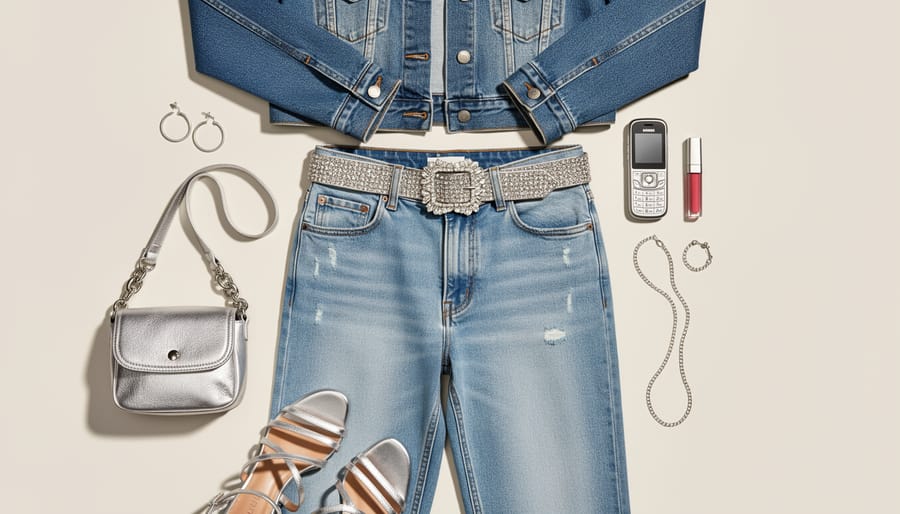
Denim ruled the 2000s in ways that feel almost unimaginable now. Low-rise jeans sat precariously on hips, creating that signature silhouette paired with cropped tees or visible thong straps. Celebrities wore jeans everywhere, red carpets, airports, casual dinners, making denim the ultimate versatile fabric.
The era embraced total denim coordination without irony. Canadian tuxedos (denim jacket with jeans) became a genuine style choice, often in matching washes. Embellishments transformed ordinary jeans into statement pieces: rhinestones clustered on back pockets, whiskering across thighs, strategic distressing that looked deliberately worked-in rather than naturally worn.
What made this denim culture different was its casual confidence. Jeans weren’t just weekend wear, they were the default. The ultra-low rise created proportions we’d abandoned for years, but in 2026, that same silhouette is reappearing in new interpretations. Designers are raising the rise slightly while keeping that early-2000s spirit, and vintage pairs are commanding serious resale prices among collectors seeking authentic pieces.
Athleisure Before It Had a Name
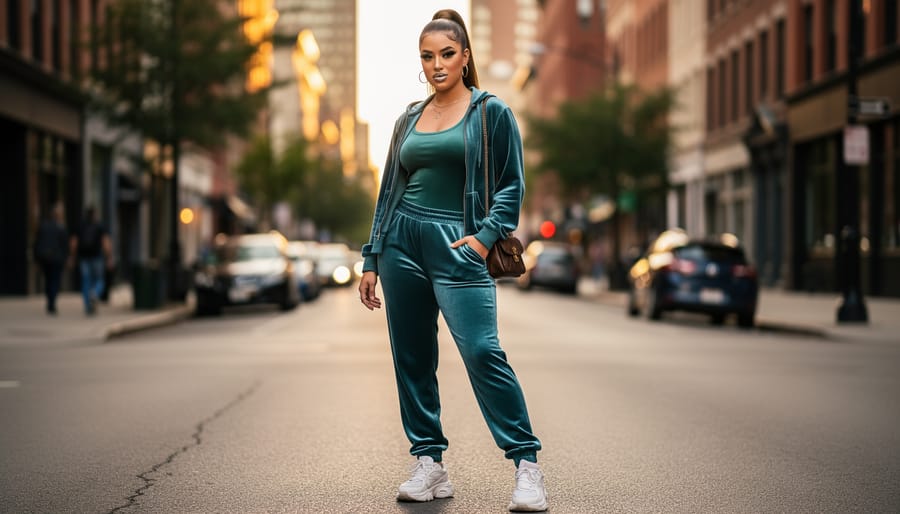
The tracksuit wasn’t just loungewear in the 2000s, it was a full outfit you’d wear to brunch, shopping, or even a casual night out. Velour reigned supreme, with matching zip-up jackets and low-rise pants in every color from baby pink to chocolate brown. Terry cloth offered a sportier alternative, while embellished sets added rhinestones or embroidery across the back. This was casual-glam before anyone coined the term: pairing a crop hoodie with athletic bottoms, mixing comfort with just enough polish to feel put-together. The look said you were relaxed but intentional, sporty but feminine. It made getting dressed effortless while still making a statement, which is exactly why Gen Z keeps reaching for vintage tracksuits today.
Accessories That Made the Look
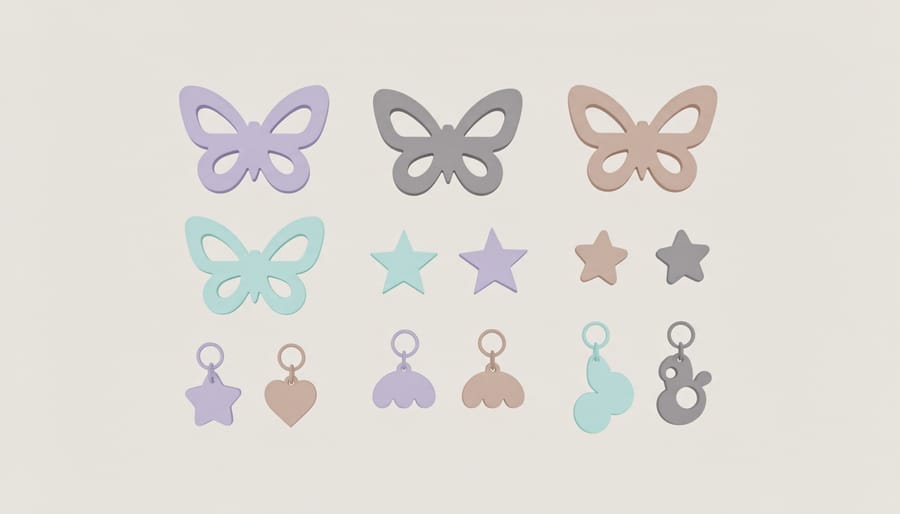
The right accessories could make or break a 2000’s outfit, and that’s exactly why they’re showing up everywhere in 2026. Butterfly clips scattered through hair, chunky belts cinching low-rise jeans, tiny sunglasses perched on noses, and those miniature handbags that barely held a lip gloss all served a purpose beyond function. They were pure personality. Pastel-colored bags dangled from wrists, while little charms jingled from bracelets and phone cases. Statement jewelry leaned bold: layered chokers, hoop earrings large enough to graze shoulders, and mood rings that shifted color. The philosophy was simple, more is more. These weren’t subtle finishing touches but essential elements that telegraphed who you were before you said a word.
Color and Pattern Philosophy
The 2000s didn’t do subtle when it came to color. This was an era that embraced eye-searing brights alongside sugary pastels, often in the same outfit. Baby pink and baby blue weren’t just accent shades, they dominated entire wardrobes, from velour tracksuits to eyeshadow palettes. Metallics added a futuristic edge, with silver and holographic finishes appearing on everything from handbags to platform shoes.
Animal print, particularly leopard and zebra, shifted from classic statement piece to everyday staple. You’d see it on halter tops, skirts, accessories, and even as lining in denim jackets. The approach was maximalist: if one print was good, three was better.
Color-blocking took a fearless stance, pairing hot pink with lime green or electric blue with orange without hesitation. The palette reflected the era’s optimism and digital-age excitement, colors were saturated, unapologetic, and designed to grab attention. This wasn’t about harmony or tasteful coordination. It was about making a visual statement that said you weren’t afraid to be seen, and that confidence is precisely what makes the aesthetic feel fresh again in 2026.
How 2000’s Fashion Works in 2026
The 2000’s aesthetic works in 2026 because it’s being completely reimagined rather than replicated. Gen Z isn’t shopping vintage stores to recreate Britney Spears’ VMAs outfit piece-by-piece. Instead, they’re pulling one signature element, a baby tee, low-rise jeans, or butterfly clips, and building around it with contemporary staples. A classic low-rise jean gets paired with an oversized blazer and minimal sneakers. A velour tracksuit jacket becomes a textured layer over a slip dress.
This approach updates the original proportions entirely. Where early 2000s style often featured tight-on-tight silhouettes, today’s versions balance a fitted crop top with relaxed, high-waisted trousers. The tiny bags and chunky belts appear alongside pieces that didn’t exist then, oversized technical outerwear, architectural knitwear, or sustainably-made basics. Major fashion houses have noticed. Spring 2026 collections draw heavily from 90s and 2000s codes, with nostalgia emerging as one of the year’s dominant trends. Designers are referencing everything from the Gucci handbag reboot to reinterpreted denim treatments that nod to millennium-era styling.
The new styling rules reflect a more inclusive, personalized approach. Pastel accessories and vibrant statement pieces get mixed with neutral foundations. Metallics appear as thoughtful accents rather than full looks. What makes it work is intentionality, choosing elements that genuinely suit your body and lifestyle, then integrating them into your existing wardrobe rather than starting from scratch. This isn’t about recreating the past. It’s about borrowing its optimism and playfulness while maintaining the polish and fit standards we’ve developed since.
Where You’ll See 2000’s Fashion Today
The 2000’s fashion revival isn’t confined to Instagram feeds, it’s showing up everywhere, from high-fashion runways to your local coffee shop. Walk through any major city in 2026 and you’ll spot low-rise jeans paired with baby tees, velour tracksuits making a confident comeback, and those tiny sunglasses that once seemed ridiculous now perched on Gen Z faces with complete sincerity.
Spring collections have leaned heavily into the aesthetic, with designers reinterpreting butterfly clips, pastel accessories, and metallics through a contemporary lens. What happens behind a fashion show reveals just how much prep goes into modernizing these throwback elements, stylists carefully balance nostalgia with current silhouettes to avoid costume territory.
Social media has accelerated the trend’s spread. TikTok creators style vintage Juicy Couture finds with current sneakers, while fashion influencers demonstrate how to wear crop tops without the ultra-low-rise jeans that originally accompanied them. The cute hair clips, little charms, and pastel bags that defined the original era are reappearing on feeds daily, often mixed with pieces from completely different decades.
Celebrities have embraced the moment too, stepping out in updated versions of Y2K staples. The difference from the original era? There’s more mixing, more irony, and more creative interpretation. Gen Z isn’t trying to recreate 2003 exactly, they’re cherry-picking the most expressive elements and making them work with oversized blazers, vintage denim, and whatever else feels right.
What makes this revival stick is its versatility. You’ll see elements in formal settings, casual weekend wear, and everything between. The aesthetic has proven adaptable enough for different contexts while maintaining its optimistic, playful core.
Building Your Own 2000’s-Inspired Look
The beauty of 2000’s fashion is that you don’t need to commit to the full look to make it work. Start with one statement piece, maybe a velour tracksuit jacket worn over a simple white tee and straight-leg jeans, or a pair of tiny sunglasses that instantly signal the era without overwhelming your existing style. The key is integration, not transformation.
Think about which elements genuinely excite you rather than what feels most “authentic” to the decade. Love the playful accessories but hesitant about low-rise denim? Perfect. Grab some butterfly clips or a pastel shoulder bag and pair them with your favorite high-waisted trousers. The trend works best when it enhances your personal aesthetic rather than replaces it entirely.
For those nervous about proportions, balance is your friend. If you’re trying crop tops, ground them with higher-waisted bottoms that hit at your natural waist. Not everyone feels comfortable showing skin, and that’s completely fine, layer a fitted cardigan over your crop or choose longer silhouettes elsewhere in your outfit. A chunky belt over a flowing dress can capture that early-2000s accessorizing spirit without changing your shape preferences.
As you transition your wardrobe into incorporating these pieces, consider your lifestyle. Vibrant accessories and fun hair clips translate easily into everyday wear, they’re low-commitment ways to test the waters. Tracksuits work beautifully for casual weekends, while metallic accents or animal prints can dress up for nights out.
Mix decades freely. A 2000’s-inspired bag looks fresh with contemporary minimalist clothing. That’s how the trend breathes in 2026, as inspiration, not recreation. Take what speaks to you and leave the rest behind.
Common Questions About 2000’s Fashion
The revival of 2000’s fashion raises plenty of practical questions, especially if you’re new to the trend or wondering how it fits into your life. Here are answers to what readers ask most.
What is Y2K fashion exactly?
Y2K fashion refers to the aesthetic that dominated the early 2000s, think low-rise jeans, crop tops, velour tracksuits, butterfly clips, and vibrant accessories in metallics and pastels. It’s characterized by optimistic, playful styling that mixed casual comfort with statement pieces.
Why is early 2000s fashion trending again?
Nostalgia is one of the biggest trends of 2026, and Gen Z has embraced millennial fashion as something fresh and fun rather than outdated. The aesthetic’s emphasis on self-expression and bold choices resonates with current desires for optimism and individuality in style.
What are the most wearable 2000’s pieces for beginners?
Start with subtle nods like pastel color bags, cute hair clips, or a baby tee paired with your usual jeans. Chunky belts and small sunglasses add instant Y2K flavor without committing to a full head-to-toe look, letting you test the aesthetic at your own pace.
How do I style 2000’s fashion without looking like I’m in costume?
Mix one or two signature pieces with contemporary basics rather than recreating complete outfits from the era. Pair a low-rise jean with a modern blazer, or wear a tracksuit top with sleek trousers, the key is balance and choosing elements that style for your body and lifestyle.
Remember that 2000’s fashion works best when it feels like your interpretation, not a museum recreation. The trend thrives on experimentation, so focus on what genuinely excites you rather than ticking boxes. If butterfly clips or little charms don’t fit your aesthetic, explore other elements like color-blocking or denim-on-denim that might resonate more naturally with your existing wardrobe.
The return of 2000’s fashion isn’t just a trip down memory lane. It’s a creative movement that’s letting people play with color, experiment with proportions, and express a sense of optimism that feels refreshing right now. The era’s bold approach to self-expression, where more was more and everything felt a bit irreverent, offers something contemporary fashion sometimes lacks: pure fun.
What makes this revival so compelling is how adaptable it is. You don’t need to recreate entire Y2K outfits or commit to a complete aesthetic overhaul. Start with one piece that speaks to you. Pair low-rise jeans with a modern blazer. Add butterfly clips to your current hairstyle. Mix a velour tracksuit top with tailored trousers. The beauty of this trend is that it invites experimentation without demanding expertise.
Fashion should feel like play, not pressure. Whether you lived through the 2000s the first time or you’re discovering the era through today’s lens, there’s room for your interpretation. Take what excites you, leave what doesn’t, and build something that feels authentically yours. That’s the real spirit of 2000’s fashion, confidence, creativity, and the freedom to style yourself however you want.