
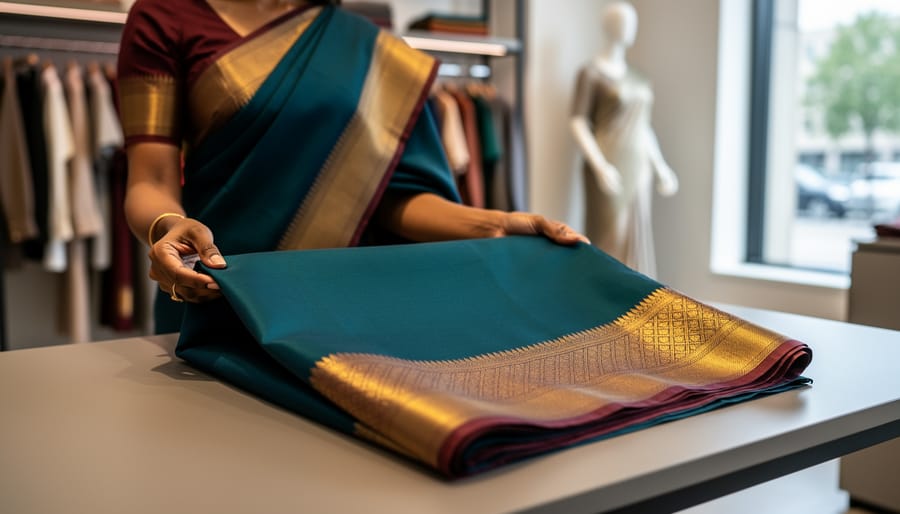
Searching “a ja fashion” can feel confusing at first, but you’re likely looking for Kaja Fashion, a Vaughan, Ontario boutique that specializes in Semi Kanchipuram Silk Sarees and women’s clothing. The phonetic similarity between “a ja” and “Kaja” means search engines often blur the lines, but the good news is there’s a clear destination: Kaja Fashions, located at 9222 Keele St unit 9, is a go-to spot for saree enthusiasts and shoppers seeking traditional South Asian fashion. The name “Kaja” also appears in broader fashion contexts, from KAJA Clothing’s recent 2026 collection announcement to model Kaja Krawczyk’s appearance in Calvin Klein Collection Fall/Winter 2026 on February 15, 2026, so your search may have landed you in the middle of several interconnected fashion stories.
What sets Kaja Fashions apart is its focus on silk sarees, a category that bridges heritage craftsmanship with contemporary style. If you’ve been hunting for authentic textiles or want to explore how traditional garments are finding new audiences in multicultural communities, this boutique offers a tangible starting point. Prices aren’t listed publicly; you’ll need to message them directly to inquire, which is common practice for boutiques that stock handcrafted or variable-inventory pieces. That personal touch reflects a shopping experience rooted in conversation and customization rather than algorithmic browsing.
Understanding the “a ja” versus “Kaja” distinction matters because it highlights how global fashion operates today: names travel across languages, pronunciations shift, and a single search term can unlock everything from a local saree shop to international runway moments. Whether you’re here for a specific purchase or simply curious about what Kaja Fashion represents, the journey starts with clarity.
Decoding the ‘A Ja Fashion’ Search: What People Are Really Looking For
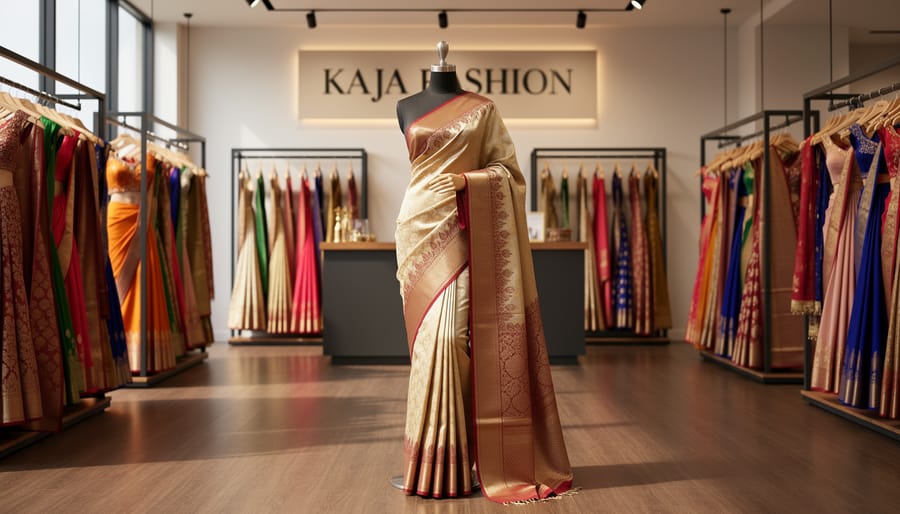
When people type “a ja fashion” into a search engine, they aren’t actually looking for something spelled that way, they’re experiencing what linguists call a phonetic or autocorrect mismatch. The letters “a ja” phonetically map to “Kaja” when spoken aloud or entered quickly on a mobile keyboard, particularly for users relying on voice search or predictive text. This creates a digital crossroads where several distinct Kaja-related fashion entities emerge as the real answers to what searchers want.
The primary target for this query is Kaja Fashions, the Vaughan, Ontario specialty retailer focused on Semi Kanchipuram Silk Sarees. Located at 9222 Keele St unit 9, this boutique serves shoppers seeking traditional South Asian formal wear, particularly for weddings and cultural celebrations. Most searchers typing “a ja fashion” are likely looking for this store’s location, contact information, or product offerings, they know the name sounds like “Kaja” but can’t nail down the exact spelling.
Beyond the saree boutique, two other fashion entities contribute to the search landscape. KAJA Clothing recently announced its 2026 collection, positioning itself in the contemporary ready-to-wear space, a different audience entirely from traditional ethnic wear. Then there’s Kaja Krawczyk, a professional model who brings the Kaja name to high-fashion runways. She appeared in the Calvin Klein Collection Fall/Winter 2026 show on February 15, bringing runway credibility to the Kaja name in fashion circles.
Krawczyk’s runway presence means fashion industry professionals, casting agents, and fans searching for her work also contribute to Kaja-related search volume. Understanding the fashion show backstage world she operates in helps clarify why her name surfaces alongside boutique searches.
These distinct entities, a contemporary clothing brand, a runway model, and a specialty saree retailer, rarely overlap in practice, but they converge in search results. The lesson here is simple: specificity matters. Know whether you’re shopping for traditional South Asian garments, browsing a modern collection launch, or following runway careers before you click.
Kaja Fashions: The Vaughan Saree Destination Behind the Search
What to Expect When Shopping at Kaja Fashions
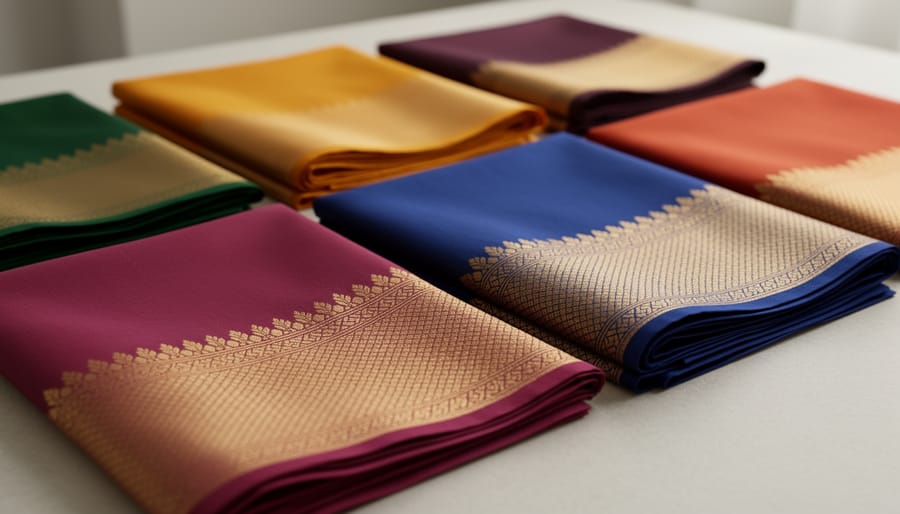
Shopping at Kaja Fashions works differently than browsing a typical retail store with fixed price tags. The boutique operates on an inquiry-based model, meaning you’ll need to reach out directly to discuss pricing and availability for specific sarees. This personalized approach makes sense given the specialty nature of their Semi Kanchipuram silk focus where individual pieces vary significantly in craftsmanship, design complexity, and materials.
Before you visit or contact them, know what you’re looking for. Have a sense of the occasion you’re shopping for, preferred color families, and any design elements that matter to you. Traditional Kanchipuram sarees feature intricate temple borders, contrasting pallus, and heavy silk weaving, so understanding these terms helps conversations flow smoothly.
When you message Kaja Fashions for pricing, be specific. Ask about the saree’s weight, thread count, zari type (pure or tested), and whether blouse fabric is included. These details directly affect both quality and cost. First-time buyers should also ask about care instructions, as genuine silk sarees require careful handling.
Don’t hesitate to request photos from multiple angles or videos showing how the fabric drapes and catches light. Reputable specialty retailers expect these questions and appreciate informed customers. If you’re unfamiliar with saree draping, ask whether they offer styling guidance or can recommend local experts who do.
Plan to invest time in the selection process rather than expecting instant purchases. Quality traditional garments deserve thoughtful consideration, and the inquiry model ensures you get exactly what you need.
The Other Kajas: Contemporary Fashion and Runway Presence
When people search for “Kaja fashion,” they don’t always land at the Vaughan saree boutique. Two other fashion entities share the Kaja name and occupy distinctly different corners of the industry, each contributing to the search term’s complexity.
KAJA Clothing operates as a contemporary fashion brand with a focus on seasonal collections. The label recently announced its 2026 collection, positioning itself in the ready-to-wear market rather than traditional ethnic fashion. This brand caters to a different customer base than Kaja Fashions, think accessible contemporary pieces instead of heirloom-quality silk sarees. The announcement generated its own search traffic, adding another layer to what users might expect when they type “Kaja fashion” into Google.
Then there’s Kaja Krawczyk, a professional model who brings the Kaja name to high-fashion runways. She appeared in the Calvin Klein Collection Fall/Winter 2026 show on February 15, representing the editorial and what models need side of fashion rather than retail. Krawczyk’s runway presence means fashion industry professionals, casting agents, and fans searching for her work also contribute to Kaja-related search volume. Understanding the fashion show backstage world she operates in helps clarify why her name surfaces alongside boutique searches.
These distinct entities, a contemporary clothing brand, a runway model, and a specialty saree retailer, rarely overlap in practice, but they converge in search results. The lesson here is simple: specificity matters. Know whether you’re shopping for traditional South Asian garments, browsing a modern collection launch, or following runway careers before you click.
Why Specialty Ethnic Fashion Retailers Are Trending in 2026
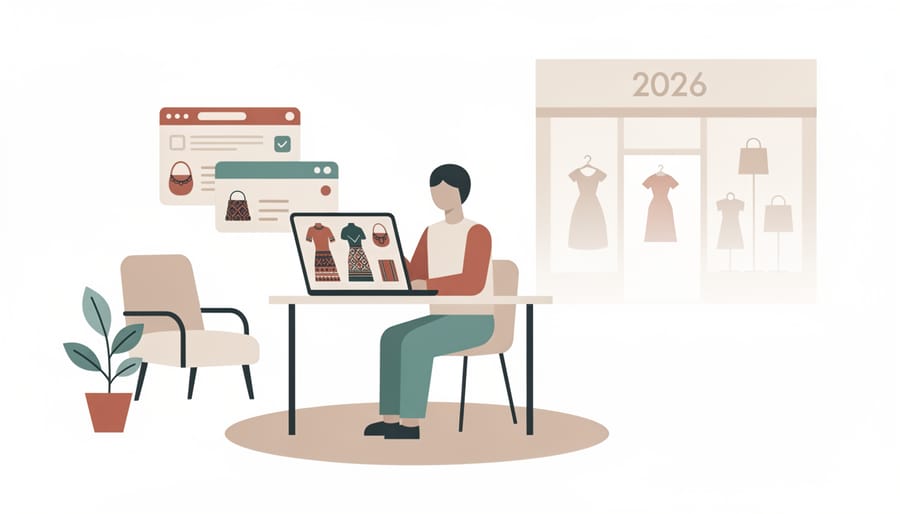
The fashion landscape has shifted dramatically over the past few years, and 2026 marks a turning point for how consumers discover and purchase traditional garments. Specialty ethnic fashion retailers like Kaja Fashions are experiencing unprecedented digital visibility, not through massive marketing budgets, but because shoppers are actively seeking authentic, culturally-rooted alternatives to mass-market options. This isn’t a fleeting trend, it reflects a fundamental change in how people approach fashion purchases that carry cultural significance.
What’s driving this change? First, there’s growing awareness that traditional garments deserve the same care and expertise as haute couture. A Semi Kanchipuram Silk Saree isn’t just clothing, it’s craftsmanship with centuries of technique behind it. Mass retailers can’t replicate the knowledge base that specialty boutiques offer, from understanding regional weaving variations to advising on appropriate draping styles for specific occasions. Shoppers increasingly recognize this gap and seek out retailers who speak the language of their cultural traditions.
Second, digital accessibility has leveled the playing field. Small, family-run boutiques that once relied solely on word-of-mouth within local communities can now reach a global audience through search and social media. When someone types “a ja fashion” into a search bar, even if it’s a typo, they’re more likely to discover a specialized Vaughan retailer than they would have been five years ago. The internet has made niche expertise discoverable.
Third, there’s a generational shift happening. Younger buyers want authentic cultural pieces but expect modern shopping conveniences, clear information, responsive communication, and the ability to ask questions before committing. Retailers who adapt to this hybrid model (traditional products with contemporary accessibility) are thriving. The inquiry-based pricing model that Kaja Fashions uses, for instance, might seem old-fashioned, but it actually serves a purpose: it ensures buyers get accurate information for their specific needs rather than misleading flat rates.
This trend extends beyond South Asian fashion. Specialty retailers across cultural categories, from West African textiles to Korean hanbok boutiques, are seeing similar growth. The common thread? Shoppers value cultural authenticity, expert guidance, and the story behind their garments more than they value one-click purchasing.
The ‘a ja fashion’ search might start as a typo, but it opens the door to genuinely diverse fashion experiences. If you’re after exquisite Semi Kanchipuram Silk Sarees, Kaja Fashions in Vaughan is your destination, reach out directly for pricing and availability, and don’t hesitate to ask questions about fabric, care, and styling. If contemporary ready-to-wear or runway trends sparked your interest, keep an eye on KAJA Clothing’s 2026 collection or follow emerging models like Kaja Krawczyk for fresh inspiration.
Whichever path you choose, approach specialty retailers with confidence. These boutiques exist to guide you, whether you’re a first-time saree buyer or a seasoned fashion enthusiast exploring new cultural styles. The rise of niche ethnic fashion stores in 2026 reflects a broader shift toward accessibility in fashion making traditional garments available beyond exclusive circles or confusing mass-market racks.
Fashion inclusivity means celebrating both the intricate craftsmanship of a handwoven saree and the bold vision of a debut collection. It means understanding that a clothing seasons guide applies differently to timeless ethnic wear than to trend-driven capsules. Your fashion journey should honour what resonates with you, whether that’s heritage textiles, modern minimalism, or the exciting space where they intersect.