
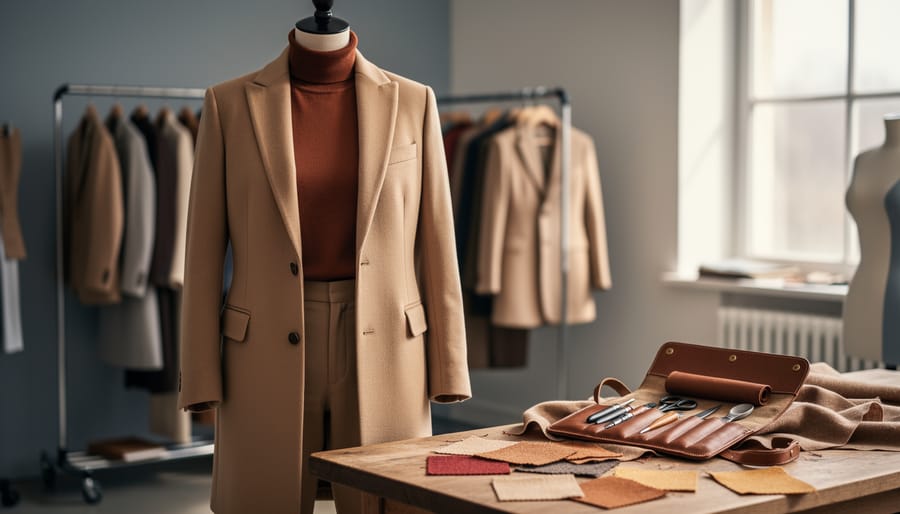
Fall 2026 fashion refers to the collections designed for the autumn season of 2026, encompassing ready-to-wear garments, accessories, and styling concepts that debut on runways and in showrooms months before they reach stores. These collections aren’t just assembled overnight. They’re the result of months of careful planning, fabric sourcing, and creative iteration that begins well before a single piece hits the runway.
Right now, designers are putting the finishing touches on their Fall 2026 visions. New York Fashion Week already showcased these collections in February 2026, running from the 11th through the 16th, while individual houses like Ralph Lauren presented their own runway shows and brands such as SMYTHE and St. John offered exclusive behind-the-scenes glimpses and early access to their Pre-Fall lines. Some designers, like madison_james, shared their process right up to launch day, pulling back the curtain on the intense work that goes into each collection.
Understanding how these collections come together gives you more than trend inspiration. It reveals when to expect new pieces, how to access them early, and what factors shape the styles you’ll see everywhere come autumn. Whether you’re planning your wardrobe ahead of the season or simply curious about the fashion calendar, knowing the creation timeline helps you engage with fall fashion on your own terms. This article breaks down what fall fashion actually means, how designers bring these collections to life, the different formats they take, and practical ways you can access and wear them throughout 2026.
What Fall 2026 Collections Really Mean
Fall 2026 collections aren’t a single product launch, they’re an umbrella term for everything designers create to dress us through autumn and winter. This includes runway collections shown at events like New York Fashion Week (February 11-16, 2026), pre-fall lines that arrive in stores earlier, and ready-to-wear pieces you’ll actually find on retail racks when the weather cools.
- Pre-Fall Collection
- A smaller seasonal line released before the main fall runway show, designed to fill the gap between spring deliveries and full autumn collections. Brands like SMYTHE and St. John use pre-fall to test ideas and give loyal customers early access.
- Fall/Winter Runway
- The theatrical presentation where designers debut their creative vision for the season, typically shown six months before clothes hit stores. Ralph Lauren’s Fall 2026 Runway Show exemplifies this format.
- Lookbook
- A curated photo collection showcasing how a brand styles its new pieces, often shot in striking locations like the Centre National de la Danse where the Fall 2026 Women’s Lookbook was photographed. These serve as both marketing tools and styling inspiration.
- Ready-to-Wear
- Fashion designed for everyday consumers rather than custom couture, offered in standard sizes and sold through retail channels. This is what most of us actually buy and wear.
- Collection Drop
- The moment a new line becomes available to purchase, whether in-store or online. Brands increasingly announce drops on social media to build anticipation.
The timeline can confuse newcomers. When you see a fall collection walk down the runway in February, those pieces won’t appear in stores until late summer or early autumn. This traditional six-month runway delay gives retailers time to place orders and manufacturers time to produce inventory at scale.
Fall collections matter because they set the season’s creative agenda. The colors, silhouettes, and fabrications that debut on New York, Paris, and Milan runways ripple outward, high-street brands interpret them, stylists build editorial shoots around them, and trend forecasters translate them for every price point and region. Understanding this ecosystem helps you spot where trends originate and how to adapt them to your own wardrobe, regardless of budget.
How Designers Prepare Fall 2026 Collections
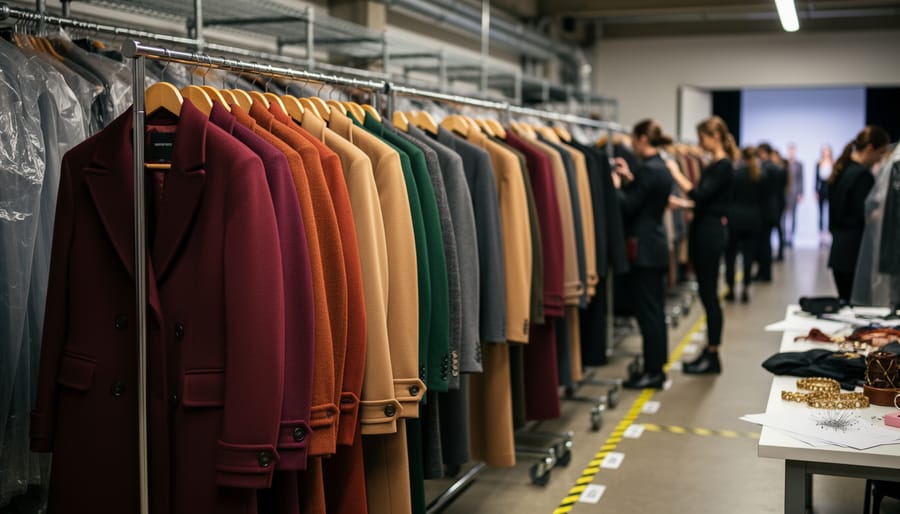
The Creative Phase: Inspiration to Sketch
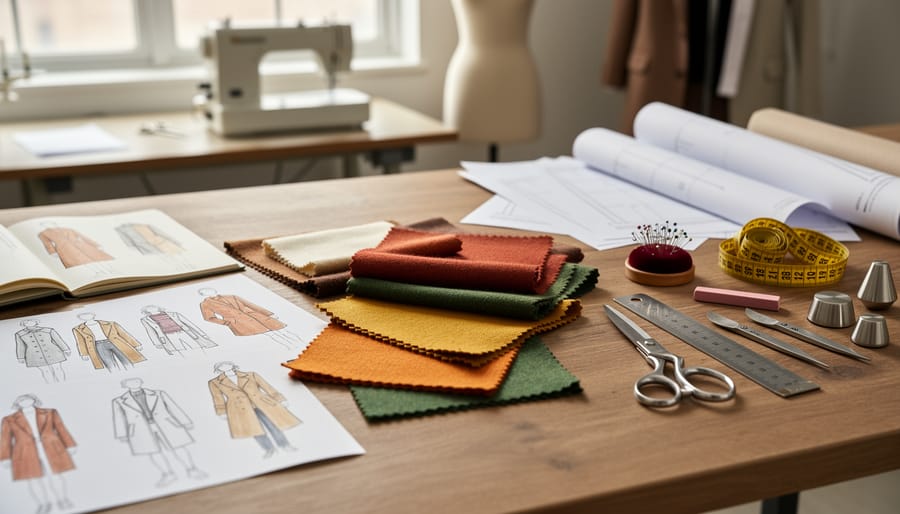
Designers begin the fall 2026 creative process months before any garment takes shape, drawing inspiration from sources as varied as gallery exhibitions, street scenes in global cities, historical textiles, and conversations with communities outside the fashion bubble. A designer might sketch the first silhouette after encountering brutalist architecture in Berlin, or pull a color palette from traditional Japanese indigo dyeing techniques. These early sparks get pinned to mood boards alongside fabric swatches, photographs, and cultural references that capture a feeling rather than a literal garment.
The mood board acts as a visual conversation, connecting abstract concepts to wearable ideas. From there, designers translate emotion and imagery into line drawings that explore proportion, drape, and construction. This phase prioritizes exploration over polish: sketches capture dozens of coat lengths, collar shapes, and sleeve volumes before any single version makes it to the sampling stage. Inclusive design thinking enters here, too, as forward-looking studios consider how a silhouette adapts across body types and cultural dress codes, ensuring collections speak to a global audience rather than a narrow ideal.
Production and Sampling
Once the creative vision is set, the production phase transforms sketches into physical garments through a meticulous, months-long process. Pattern-makers translate design drawings into technical blueprints, mapping how fabric pieces will fit together to create the intended silhouette. This technical work happens simultaneously with fabric selection, where designers test materials for drape, weight, and durability, balancing aesthetic appeal with practical concerns like cost and how a piece will wear over time.
Sample garments are then constructed, often by hand, allowing designers to see their ideas come to life at full scale. These prototypes move through multiple rounds of fit sessions, where models or fit mannequins reveal whether proportions work as intended. A sleeve might be adjusted, a hemline dropped, or an entire garment rethought based on how it moves and sits on the body.
This entire cycle must conclude well before a collection debuts. Brands need finished samples ready for runway shows or lookbook shoots, photographed in carefully chosen locations that reinforce the collection’s mood, and production timelines demand that final designs are locked in months ahead of retail delivery. The challenge is maintaining creative ambition while ensuring each piece is wearable, reproducible at scale, and commercially viable. It’s a constant negotiation between artistic vision and real-world constraints.
Marketing and Presentation Strategies
Designers orchestrate multi-channel campaigns months before fall collections reach stores, layering teasers with full reveals to sustain momentum. Social media drops, like madison_james’s behind-the-scenes preview announcing “Fall 2026 dropping tomorrow”, generate immediate buzz, while exclusive early-access programs such as St. John’s Pre-Fall 2026 invite cultivate loyal customers and word-of-mouth anticipation. These digital strategies complement formal runway presentations, where the staging, lighting, and pacing are choreographed as carefully as the garments themselves; the skills models need backstage to execute a designer’s vision under pressure are part of that high-stakes theater.
New York Fashion Week remains the anchor event for North American designers: February 11-16, 2026 NYFW will host dozens of shows, including the Ralph Lauren Fall 2026 Runway Show, offering press, buyers, and influencers their first full view of seasonal narratives. Brands also produce lookbooks shot in evocative locations, melanie+ramon photographed the Fall 2026 Women’s Lookbook at the Centre National de la Danse, to extend a collection’s story beyond the runway and into editorial, e-commerce, and advertising. Each touchpoint builds a cohesive brand experience that moves from insider whisper to public conversation.
Different Formats of Fall 2026 Fashion Content
Fall 2026 collections reach audiences through multiple presentation formats, each designed for a specific purpose and viewer. Runway shows remain the most high-profile format, where designers debut their complete seasonal vision in a live theatrical setting. New York Fashion Week Fall 2026, running February 11 through 16, hosts dozens of these presentations, from established houses to emerging names. Shows like the Ralph Lauren Fall 2026 Runway Show attract industry professionals, press, and buyers who shape what eventually reaches retail floors. For those who can’t attend in person, many brands now stream these events, making runway content accessible to anyone with an internet connection.
Lookbooks serve as the polished reference guide for a collection, translating runway drama into wearable context. These professionally shot catalogs, like the Fall 2026 Women’s Lookbook photographed by melanie+ramon at the Centre National de la Danse, showcase every piece in detail, helping buyers make purchasing decisions and giving fashion enthusiasts a comprehensive view of the designer’s work. Lookbooks typically appear on brand websites and in press kits, offering a quieter, more intimate way to study silhouettes, fabrications, and styling choices.
Pre-fall collections occupy a unique space between seasons, arriving in stores before the main runway pieces. Brands like SMYTHE and St. John use this format to offer early access to key styles, often with behind-the-scenes previews that build anticipation. St. John’s exclusive early access to its Pre-Fall 2026 Collection rewards loyal customers with first choice, while SMYTHE’s preview content educates followers about the creative process.
Social media drops have emerged as the most democratic format. madison_james’s behind-the-scenes teasers announcing that Fall 2026 drops tomorrow exemplify how brands now use Instagram, TikTok, and other platforms to reveal collections in real time, creating direct connections with consumers who might never attend a runway show but want immediate access to new designs.
How Fashion Enthusiasts Can Access and Engage with Fall 2026 Collections
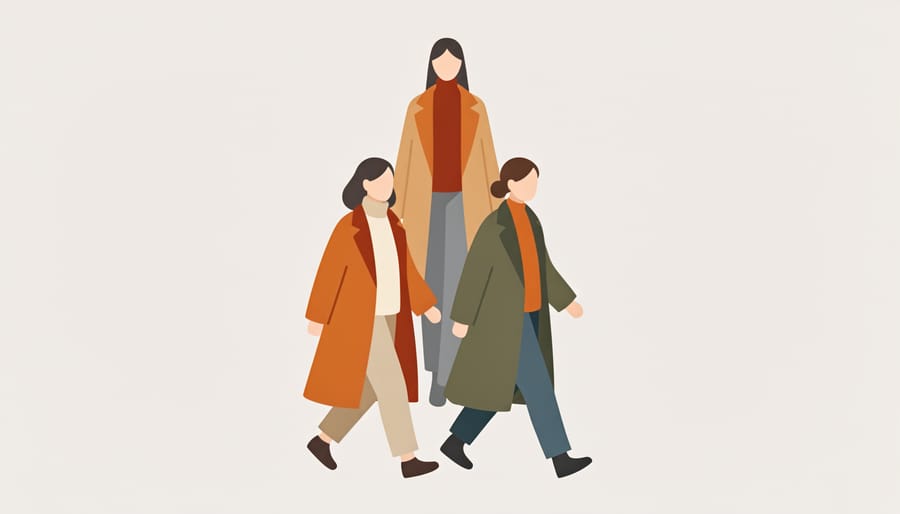
Engaging with fall 2026 collections doesn’t require industry credentials or an invitation to exclusive events. The fashion world has become significantly more accessible, and you can participate in meaningful ways right from your current location.
Streaming runway shows offers the most immediate access to designer visions. Events like the Runway Showcase FW 26 on February 15, 2026 at 5 PM are often available through brand websites and fashion media platforms. New York Fashion Week Fall 2026 (February 11-16) will feature both in-person and digital viewing options, allowing you to watch major presentations as they happen. Many designers now broadcast their shows live, making front-row access democratic rather than exclusive.
Social media has transformed how brands share their creative process. Following designers on Instagram and TikTok gives you behind-the-scenes glimpses that were once reserved for industry insiders. These platforms reveal everything from fabric selection to fitting sessions, helping you understand the thought behind each collection. The immediacy of social drops means you’ll often see pieces before they hit retail floors.
Online lookbooks provide another entry point. These curated photo galleries showcase entire collections in detail, often photographed in striking locations that reinforce the designer’s aesthetic vision. You can study silhouettes, color palettes, and styling choices at your own pace, returning to reference images when to transition your own wardrobe for fall.
Early-access programs remove the guesswork from timing. Brands like St. John offer exclusive previews of their Pre-Fall 2026 collections to subscribers, letting you shop before general releases. Signing up for brand newsletters often unlocks these opportunities along with styling advice and trend guidance.
- Watch runway shows via live streams on brand websites and fashion news platforms
- Decode lookbooks by noting repeated colors, silhouettes, and fabric textures across multiple looks
- Follow brands like SMYTHE and madison_james for regular behind-the-scenes content on social media
- Adapt trends by focusing on proportions and colors rather than exact replicas, making adjustments for your body type and budget
Translating runway trends to personal style is where true engagement happens. You don’t need designer price points to incorporate fall’s key ideas into your wardrobe. If oversized tailoring dominates the runways, thrift a blazer one size up. When a specific color story emerges across multiple shows, add that shade through accessories. Understanding how to shop with trend awareness rather than trend obsession keeps your approach both current and personal.
The democratization of fashion knowledge reflects broader shifts toward accessibility in fashion content. Brands recognize that educated, engaged consumers strengthen the entire ecosystem, making transparency beneficial for everyone involved.
Behind-the-Scenes Insights: What Designers Are Revealing Right Now
Right now, several major brands are giving fashion enthusiasts a front-row seat to their Fall 2026 preparation process, and the level of access is unprecedented. SMYTHE has opened its doors with a behind-the-scenes look at Pre-Fall 2026, showing the creative decisions and craftsmanship that happen long before garments hit stores. St. John is taking a similar approach, offering exclusive early access to its Pre-Fall 2026 collection, allowing loyal customers and insiders to see and purchase pieces before the general public. Meanwhile, madison_james recently posted a behind-the-scenes glimpse of what they’ve been working on, building anticipation with the announcement that Fall 2026 would drop the very next day.
This shift toward transparency is not just a marketing tactic. It reflects a broader democratization of fashion knowledge, where brands recognize that today’s consumers want to understand the story behind their clothes. By sharing the creative process, designers invite everyone into a conversation that was once reserved for industry insiders and press. The Fall 2026 Women’s Lookbook photographed by melanie+ramon at the Centre National de la Danse is another example of this openness, as brands share not just the final images but the locations and collaborators that shaped their visual identity.
This trend empowers you to engage with fashion on a deeper level, regardless of your budget or expertise. When you see how a collection comes together, from initial sketches to final fittings, you gain the tools to appreciate design choices and translate runway ideas to your own wardrobe with confidence.
Common Questions About Fall 2026 Fashion
As you explore the world of fall fashion, you’ll likely have practical questions about what to expect, where to look, and how to stay informed. Here are straightforward answers to the most common queries about fall 2026 collections.
What are the fall 2026 fashion trends?
Rather than relying on predictions, look for emerging trends by watching runway shows in February, following designers’ behind-the-scenes previews, and noticing repeated themes across multiple collections, colors, silhouettes, and fabrics that appear consistently signal the season’s direction.
What is included in the Fall 2026 collection?
Fall collections typically encompass outerwear like coats and jackets, knitwear, tailored pieces such as trousers and blazers, dresses, and accessories including bags, scarves, and boots designed for autumn and winter wear.
When is New York Fashion Week Fall 2026?
New York Fashion Week Fall 2026 runs from February 11 through February 16, showcasing designers’ collections for the upcoming autumn and winter seasons.
Where was the Fall 2026 Women’s Lookbook photographed?
The Fall 2026 Women’s Lookbook was photographed by melanie+ramon at the Centre National de la Danse, demonstrating how designers choose artistic locations to enhance their collection’s visual storytelling.
These answers reflect the accessible nature of fall fashion information. You don’t need industry connections to track trends or understand collections. Social media, brand websites, and fashion week schedules offer multiple entry points for engagement, whether you’re a seasoned enthusiast or just beginning to explore seasonal fashion.
Understanding how designers prepare fall collections transforms you from a passive observer into an informed participant in the fashion conversation. You now know the creative phases, production realities, and marketing strategies that bring autumn trends from studio sketches to store racks. This knowledge isn’t reserved for industry insiders. When you follow behind-the-scenes content, explore lookbooks, or watch a runway show, you’re engaging with months of creative labor and thoughtful decision-making.
Fashion thrives when people connect with it on their own terms. Whether you’re inspired by a Pre-Fall 2026 preview, translating runway silhouettes to your personal style, or simply curious about fabric choices, your participation matters. The designers and brands pulling back the curtain want you there. They’re sharing the process because fashion is meant to spark joy, creativity, and confidence at every level. Dive into the behind-the-scenes stories this season. You’ll find the journey from concept to closet as compelling as the clothes themselves.